Hunan Flood Rescue Row Over ‘Unauthorized Relief’
After deadly floods in Hunan, three Blue Sky Rescue teams were warned for entering the disaster area without approval. A toll-station video turned an internal notice into a wider debate.

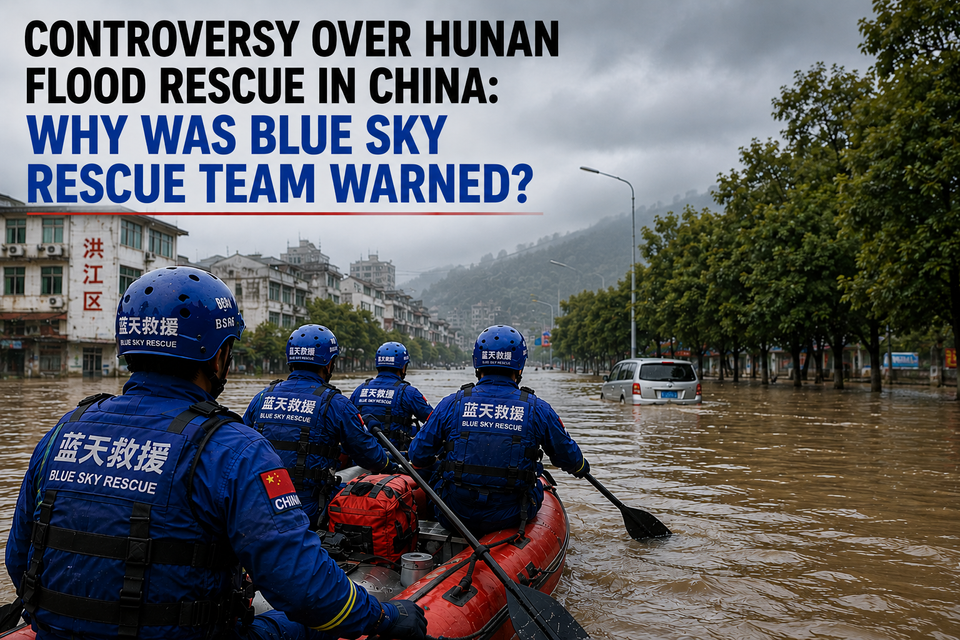
Three Blue Sky Rescue teams from Luoyang, in central China's Henan province, reached the edge of a flood-hit county in Hunan and were soon named in an internal disciplinary notice.
The notice, issued by a Henan Blue Sky Rescue supervisory unit, said teams from Yichuan, Yiyang and Songxian had sent more than 20 members to Shimen county on the night of May 20 without completing approval procedures for a cross-regional deployment. It ordered the teams to return and issued a written warning.
The same notice said the teams had filmed and posted video at the Shimen toll station, creating online attention and causing what it called an "extremely negative" social impact.
The notice was not an administrative penalty from the Hunan local government. It came from within the Blue Sky Rescue system in Henan. But the wording landed badly: people were still missing in Shimen, roads and communications were still being repaired, and the phrases "unauthorised filming" and "online public opinion" appeared in the disciplinary language.
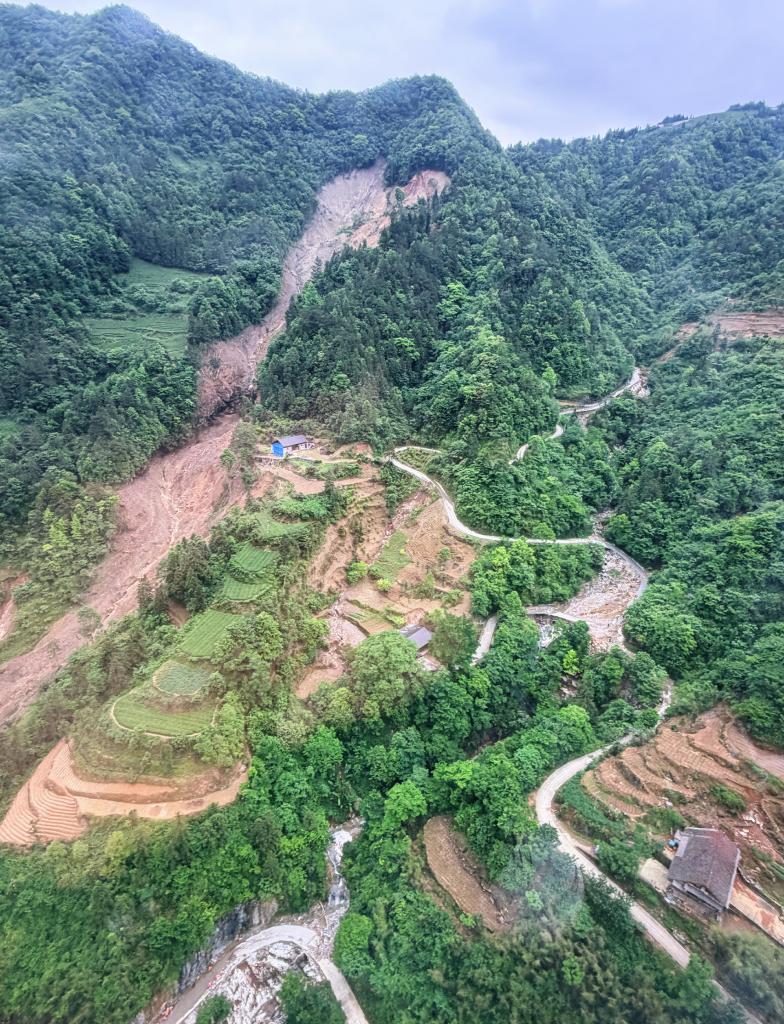
Xinhua reported on May 21 that 23 townships and local areas in Shimen had been affected. Six people had died, 10 were missing and more than 100,000 people had been affected. In Hupingshan township, rainfall reached 244.5mm in six hours and 359.6mm in 24 hours, both above local historical records.
The notice did not say whether the teams had been put in contact with Shimen's on-site command centre after reaching the toll station. It also did not explain what specific harm the posted video had caused.
The Damage In Shimen
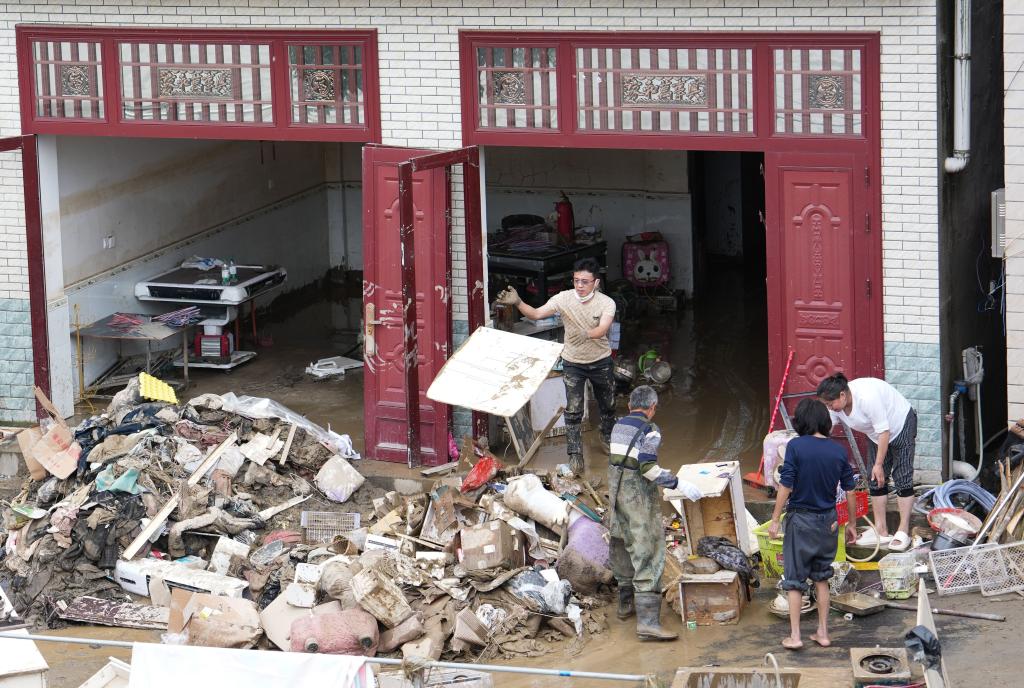
Xinhua reporters described damaged homes along roads in Jinjiahe village, some destroyed by mudslides. In Hupingshan township's Yisha old street, vehicles had overturned, power poles were down and flood marks remained inside houses. One local resident said water rose quickly after heavy rain in the early hours of May 18.
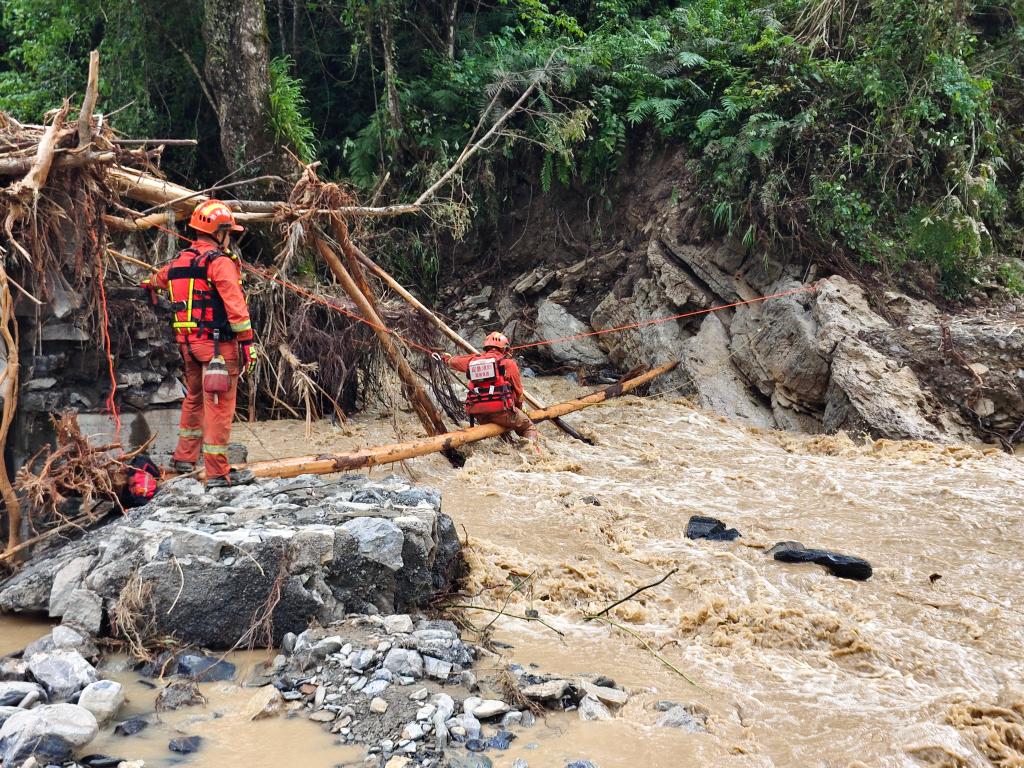
Hunan fire and rescue authorities sent 40 fire engines and 186 firefighters, according to Xinhua. Shimen mobilised 120 county-level professional rescuers, 490 members of social emergency groups, 900 township and village officials and more than 10,000 residents. The county emergency management bureau said the urgent tasks included searching for missing people, moving residents and delivering supplies.
On mountain roads damaged by floods and landslides, a few vehicles going to the wrong place can delay fire, power and telecoms crews. Someone has to decide which roads are open, which villages still need help, where slopes may fail again and where outside supplies should be unloaded.
The Toll Station Video
The video shot at Shimen toll station was listed alongside the failure to report the deployment. For many people following the disaster online, that shifted the focus from vehicle coordination to whether images from a disaster zone were being controlled.
A clip filmed at a disaster site can spread far beyond the area within minutes. Unverified video may mislead rescuers or expose victims' privacy. It can also show, before formal briefings do, which places lack water, power or medicine and which villages remain cut off. In previous disasters, social media posts by residents and volunteers have often filled gaps left by official updates.
Lianhe Zaobao reported that the notice was deleted after it drew criticism, and that the parties involved had not offered a further public response. Once the document was gone, the practical questions remained: which images can be posted, which should be blurred, which should go through the command centre, and how quickly a volunteer team should hear back after reporting its plans.
Wait For Approval Or Move First
Local governments often invite Blue Sky Rescue teams to join training exercises and public-service rescue work. During disasters, many members of the public see them as a capable volunteer force. But Blue Sky Rescue does not have the legal status of a state rescue unit, and teams crossing provincial lines are expected to follow local command arrangements.
Volunteers face a simple dilemma once a disaster is unfolding: wait for a reply and risk losing time, or move first and risk being blamed later. Local command centres face their own problem. A team that arrives without prior coordination brings extra vehicles, personnel, equipment and safety risks into an already crowded field operation.
Whether an outside team can enter a disaster zone should not be decided at a toll gate. Training credentials, insurance, vehicle passes, supply handover points, video rules and named local contacts all need to be settled before the next flood blocks the roads.
Before The Next Storm
After the Shimen floods, China's finance and emergency management authorities allocated central disaster-relief funds. On May 26, the Ministry of Emergency Management said it had worked with the Ministry of Finance to send another 100 million yuan to Hunan for search and rescue, evacuation, resettlement and damaged-home repairs.
At the scene, the handover starts with phone numbers and passes: who a cross-regional rescue team calls, how long the local authority has to respond, whether a team may wait near the disaster area, who reviews images from the scene and how online appeals are passed to the command centre.
Before the next heavy rain, local emergency offices and volunteer rescue groups need at least a shared contact list, traffic pass rules, receiving points and video guidelines. Otherwise, the next rescue convoy may still arrive at a toll station and ask whether it is allowed in, while people inside the disaster zone keep looking for help through group chats and short-video platforms.
Sources: Xinhua, The Paper, People's Daily, China's Ministry of Finance and Ministry of Emergency Management, Lianhe Zaobao, Cover News and public descriptions of the notice. Multiple media outlets reported that the notice was later deleted. This article is based on publicly available information as of May 29, 2026.
You read this far. You're not here for noise.
SharpPost delivers one weekly deep dive on geopolitics, finance, and tech — decoded for readers who want signal. Carefully selected, never noisy.