Zion Church Founder Ezra Jin Arrives in US After Release From China
Founder of Beijing’s Zion Church arrives in Los Angeles after release from China; Trump raised his case with Xi, while other church members remain detained.
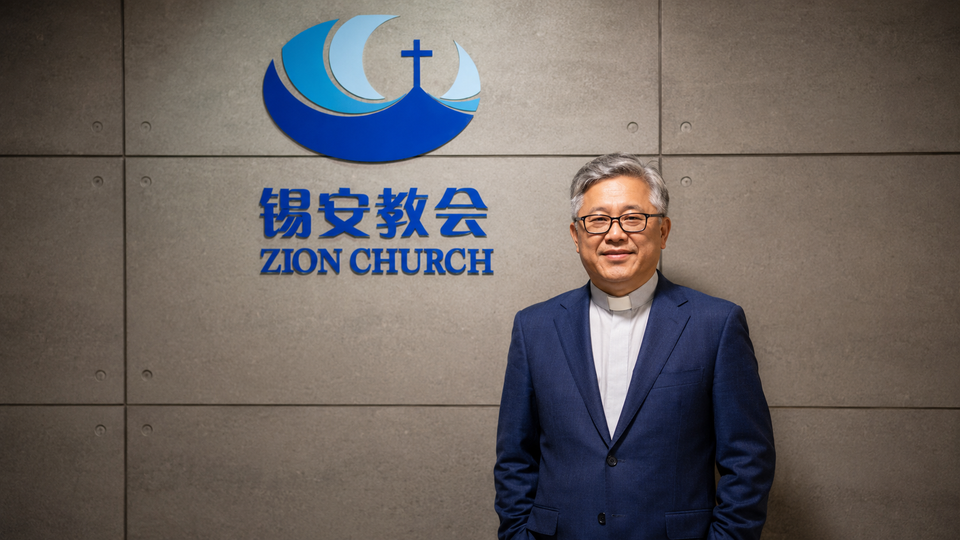
Jin Mingri, the founder of Beijing’s Zion Church and one of China’s best-known house church pastors, has arrived in Los Angeles after being released from custody. The Associated Press reported that Donald Trump raised Jin’s case with Xi Jinping during a May meeting in Beijing, along with the case of Hong Kong publisher Jimmy Lai.
Jin, also known by his English name Ezra Jin, had been detained since October during a wider crackdown on unregistered Protestant churches in China. Several other leaders and co-workers from Zion Church were detained around the same time.
His family said in a statement that the release happened quickly and thanked the Trump administration. AP quoted relatives as saying they did not believe the release could have happened without Xi’s direct involvement. China’s foreign ministry did not immediately respond to requests for comment from international media.
Trump told reporters after leaving Beijing in May that he had brought up both Jin and Jimmy Lai with Xi. According to AP, Trump said Xi would “give it very serious consideration” in Jin’s case, while describing Lai’s case as more difficult. Lai, the founder of Apple Daily, was sentenced in February to 20 years in prison.
Jin’s release has not ended the Zion Church case. Yaqiu Wang, China research director at Human Rights Watch, said at least eight members of the church remain in custody. Previous foreign media reports said cases involving Jin and other church figures had been transferred to prosecutors, with allegations including illegal business operations, fraud or illegal use of information networks.
Zion Church was founded in Beijing in 2007 and became one of China’s largest unregistered Protestant congregations. Authorities shut down its physical meeting place in 2018. The church later moved sermons online and organized smaller gatherings across different cities.
China’s constitution formally protects religious belief, but religious activity is expected to take place under state-sanctioned bodies. Protestant worshippers are generally directed into the state-backed Three-Self Patriotic Movement. Many house churches reject that system, saying church life should not be administered by government agencies.
Under Xi, Beijing has tightened control over religious groups, including registration, venues, finances and online activity. Officials describe the policies as lawful management of religion, protection against foreign infiltration and part of the broader push to make religions conform to Chinese socialist society. Rights groups and overseas churches say the rules have sharply narrowed the space for unregistered worship.
Zion Church is not the only congregation to face pressure. Early Rain Covenant Church in Chengdu and Shouwang Church in Beijing have also seen pastors detained, gatherings disrupted, members summoned and bank accounts restricted. Over the past year, overseas rights groups have reported more pressure on online sermons and church networks that operate across provincial boundaries.
The release comes as Washington and Beijing try to keep high-level talks open. Religious freedom has long been part of the U.S. human rights agenda toward China, especially in Congress and the State Department. For Beijing, allowing a pastor with family ties in the United States to leave China may be read abroad as a limited diplomatic concession. For the remaining Zion Church detainees, the legal process is still unresolved.
Chinese authorities have not publicly explained why Jin was released or what will happen to other Zion Church members. It is also unclear whether Jin will resume public ministry from the United States, or how much of Zion Church’s network inside China can continue to operate.
Source note: This article draws on AP’s report on Jin Mingri’s release, The Guardian’s report on Zion Church and China’s house churches, and earlier AP reporting on Jin’s daughter testifying before the U.S. Congress in November 2025. Chinese authorities had not publicly explained the release or the status of other Zion Church members at the time of writing.
You read this far. You're not here for noise.
SharpPost delivers one weekly deep dive on geopolitics, finance, and tech — decoded for readers who want signal. Carefully selected, never noisy.