Tencent’s Reported Overseas AI Chip Lease Tests US Cloud Export Controls
Tencent reportedly leased overseas AI chips from Oracle for $7 billion. US remote-access legislation remains pending; no export-control violation is established.

 銳報SHARPPOST
Tencent signed a five-year overseas computing lease with Oracle worth about $7 billion this year, the Financial Times reported, citing people familiar with the matter. The reported deal covers about 100,000 advanced AI chips unavailable in China, across several data centers in Southeast Asia.
Reuters relayed the report but could not independently verify it at the time. Tencent and Oracle did not immediately respond to its requests for comment.
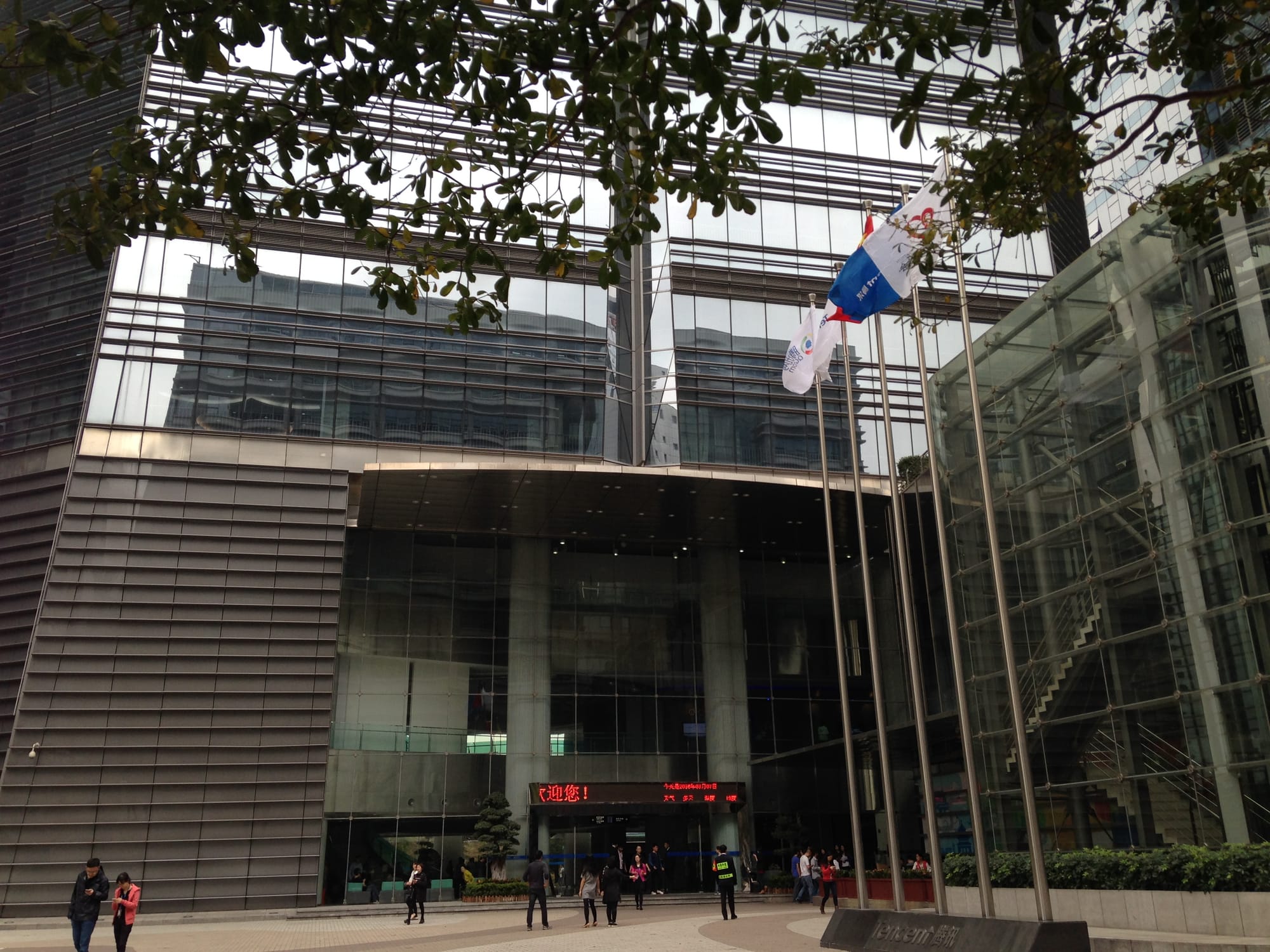
Under the reported arrangement, Tencent rents computing capacity on overseas servers rather than importing the chips into China. Whether US export restrictions should also cover Chinese companies using those chips through foreign cloud services is already the subject of legislation in Congress. There is no evidence that Tencent or Oracle violated US export controls. The report did not specify chip models, individual facilities, model uses, licensing arrangements or detailed contract terms.
The House of Representatives passed the Remote Access Security Act on January 12 by 369 votes to 22. As of October 7, the latest action listed on Congress.gov remained its referral to the Senate Banking, Housing and Urban Affairs Committee on January 13. The record showed neither Senate passage nor a presidential signature. The bill is not current law.
The bill would explicitly authorize the US government to regulate remote access to equipment under US jurisdiction. It covers foreign users accessing equipment from another location through a network, including the internet or cloud services, when the commerce secretary determines that its use could pose a serious national-security or foreign-policy risk. Access could require a license even if users never take physical possession of the chips.
Senators Dave McCormick and Ron Wyden used the example of a Chinese company renting advanced chips in an overseas data center when presenting their Senate version. They said existing law does not explicitly cover such remote access and sought to let the Commerce Department require a license where it identifies a national-security risk.
The Commerce Department’s Bureau of Industry and Security has already said some overseas AI training activities may require authorization. Its May 13, 2025 policy statement addresses situations where the parties know a model will serve weapons-of-mass-destruction or military-intelligence end uses or users. Providing controlled chips, changing their end use or end user, and training support by US persons may require a license under those conditions. The statement includes training for companies headquartered in China and certain other jurisdictions.
Those requirements depend on model uses, users and the information known to the parties involved. They do not constitute a blanket ban on all Chinese commercial customers.
Oracle’s official directory lists operational cloud regions in Singapore, Kulai in Malaysia and Batam in Indonesia. Customers can connect through the internet or dedicated links. The directory describes Oracle’s regional footprint, not the facilities covered by Tencent’s reported lease.
The reported five-year term could span changes to US remote-access rules. SharpPost’s analysis is that, if new rules require a license and a customer cannot obtain one, training workloads may have to move or the provider may restrict access. Contract terms would determine relocation costs, refunds and responsibility for termination.
The bill requires the Commerce Department to explain to Congress the security risks addressed by proposed rules, the regulatory approach and potential effects on the US economy. It does not name Tencent or impose a blanket prohibition on Chinese companies renting cloud services. Specific licensing requirements would depend on subsequent rules.
You read this far. You're not here for noise.
SharpPost delivers one weekly deep dive on geopolitics, finance, and tech — decoded for readers who want signal. Carefully selected, never noisy.