Confucius Institute Closures and Continuing Ties
The Pentagon says it dismantled rebranded Confucius groups. University agreements show continuing funding and staffing ties, without establishing espionage.

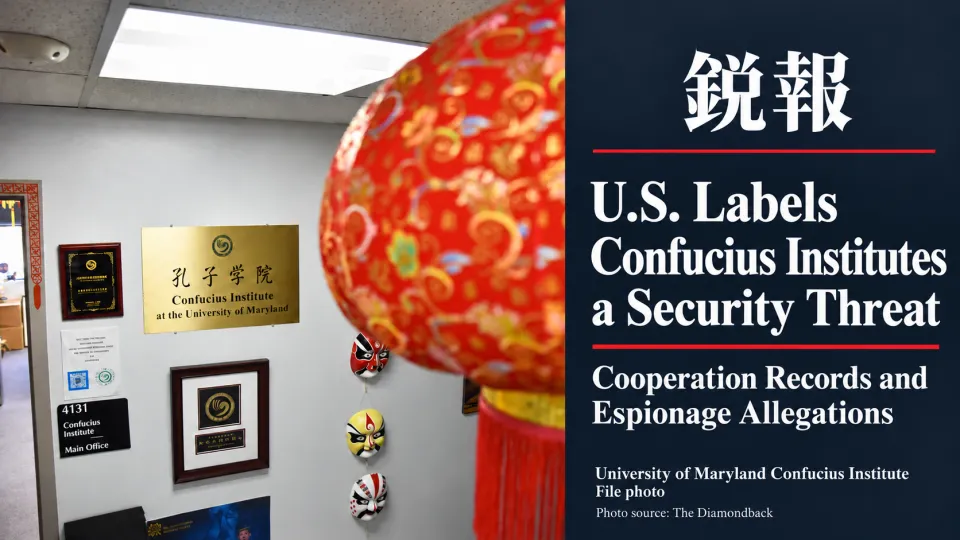
U.S. Secretary of War Pete Hegseth said in an October 23 video on X that the department had designated Confucius Institutes a national security threat. He accused some Chinese-backed campus programs of continuing to operate under new names and revised charters.
Hegseth said 80 new propaganda outposts had emerged at 30 universities and accused the organizations of seeking to steal intellectual property and indoctrinate American students. He said the military had dismantled them over the previous two months and told universities to prevent their return.
The War Department has designated Confucius Institutes as a threat to our national security.
— Secretary of War Pete Hegseth (@SecWar) October 23, 2026
The department’s October 19 announcement reported more than 80 “termination-related actions” at 30 universities. Schools had ended ties with entities on a restricted list and, as a precaution, with some organizations not on it. The review covered Confucius Institute affiliates and other foreign organizations, without specifying how many actions involved the institutes.
China’s embassy in Washington did not immediately respond to Reuters’ request for comment on Hegseth’s remarks.
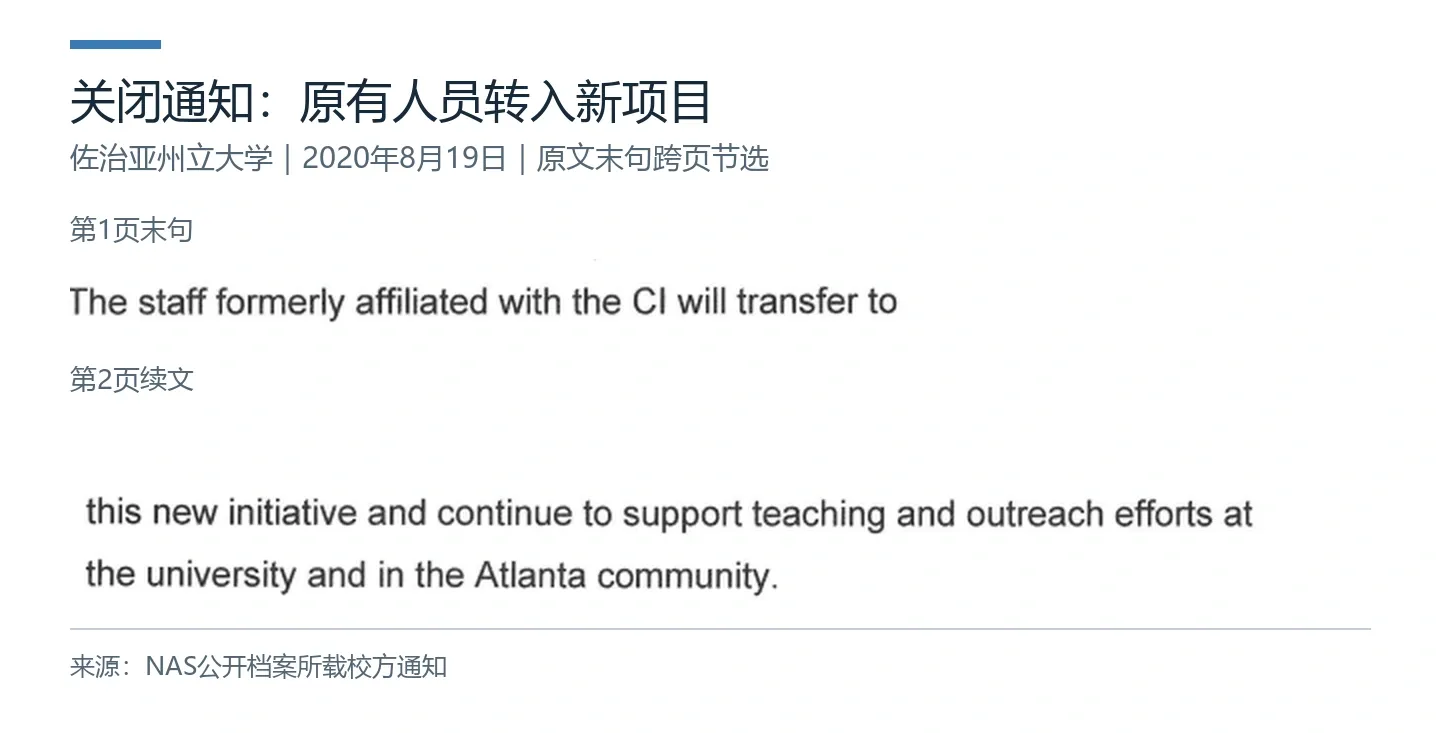
Georgia State University announced on August 19, 2020, that it would end its Confucius Institute program but keep working with Beijing Language and Culture University. An internal notice reviewed by SharpPost said the Office of International Initiatives would take over Chinese language and cultural programs. Institute staff would move to the new program to continue teaching and outreach on campus and in the Atlanta community.
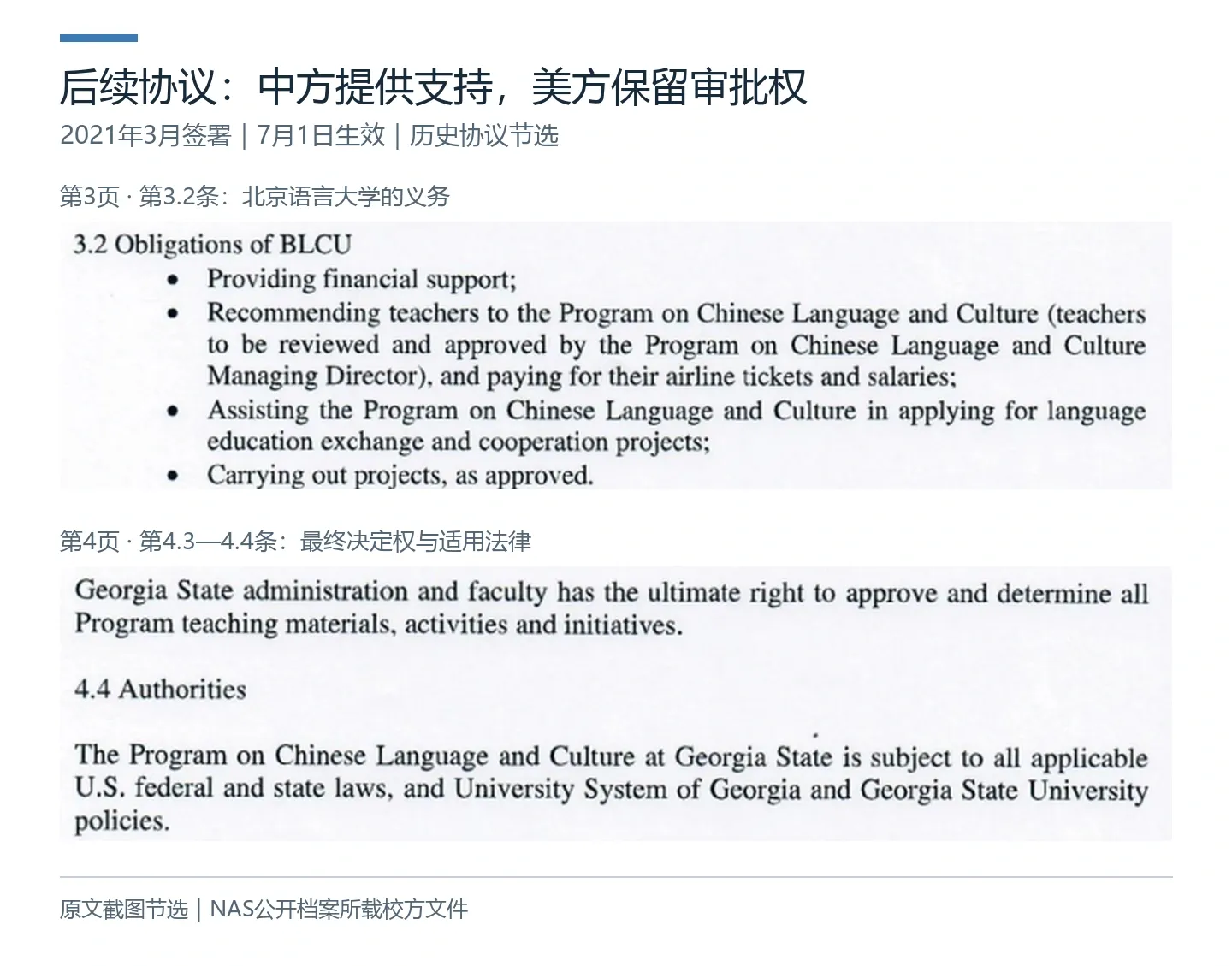
Under an agreement signed in March 2021 and effective that July, Beijing Language and Culture University would fund the program, recommend teachers and pay their salaries and airfare. It would also send a senior visiting scholar to help plan noncredit courses, select materials and coordinate Chinese instructors. Georgia State would appoint the executive and managing directors.
Georgia State retained the right to approve teachers and make final decisions on materials, activities and programs. The agreement required compliance with U.S. law and university policies, and respect for academic freedom. It had a two-year term, with renewal subject to a separate written agreement.
Tufts University announced in 2021 that it would close its Confucius Institute while expanding study abroad and language and cultural exchanges with Beijing Normal University. In 2023, the Government Accountability Office found that nine schools it surveyed that had closed their institutes still received support from their former Chinese partners, including scholarships and joint degree programs.
Under Section 1062 of the fiscal 2021 National Defense Authorization Act, military funding for universities hosting Confucius Institutes has generally been barred since October 1, 2023, with an exception for educational assistance provided directly to students. The restriction does not require a finding that espionage has occurred at the school.
The current procurement provision defines a Confucius Institute by its funding or support, covering programs backed by the Chinese International Education Foundation or the Chinese education ministry’s Center for Language Exchange Cooperation, as well as cultural institutes funded directly or indirectly by the Chinese government. The authority to grant waivers expired on October 1, 2026; previously issued waivers also ceased to apply on that date.
U.S. schools selected teachers from candidates screened by Hanban and Chinese universities, a 2019 Senate Permanent Subcommittee on Investigations inquiry found. One 2018 teaching contract examined by investigators allowed teachers to be dismissed for harming China’s national interests, breaking Chinese law or failing to follow relevant rules of Chinese diplomatic missions and Hanban.
Hanban could also veto activities and speakers through contracts and annual budget approvals, the Senate report said. Some U.S. administrators were concerned that this authority could influence which events their schools held and whom they invited to speak.
Administrators at all 10 schools examined in a separate 2019 GAO study said Hanban had not restricted their activities. None used Hanban materials in credit-bearing courses, they said, and some schools had held events on Taiwan or Tibet.
FBI officials told the GAO that funding ties could pressure universities to avoid offending Chinese partners or leave them facing demands to censor topics and events. In the same 2023 report, the officials said the agency had not found enough evidence of criminal activity or malign influence involving Confucius Institutes to make them a national security priority.
A 2023 study by the National Academies of Sciences, Engineering, and Medicine found clear evidence that the Chinese government intended to use the institutes to shape views of China abroad. The committee warned that a foreign adversary could exploit campus connections to access protected research. It was not aware, however, of any publicly known instance of attempted espionage linked to an institute, or public evidence that hosting one increased risks to Pentagon-funded research.
On August 17 this year, the War Department ordered 30 universities to review their academic, financial and research ties to guard against the transfer of sensitive and export-controlled research. The Section 1286 list of foreign entities used in the review includes Beihang University, Beijing Institute of Technology and institutions in Russia and Iran.
Beginning in fiscal 2026, department rules prohibit military funding for fundamental research conducted with a listed entity or using its equipment. Researchers must also disclose affiliations with listed entities and activities related to foreign talent recruitment programs.
As of October 25, the department had not published an itemized list of the more than 80 actions or named the projects, people or investigative findings supporting its intellectual property theft allegations. Public records had not established whether Georgia State or Tufts was involved in the latest review.
SharpPost will continue to cover developments in this story.
读到这里,说明你关注真正重要的事
锐报每周深度分析直送邮箱——财经、地缘、科技,穿透表象,少而精选。