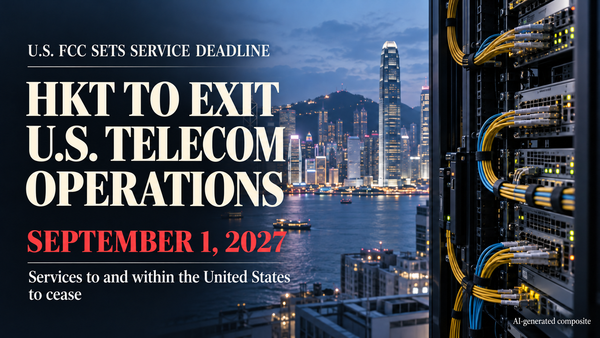
Chip Stocks Sell Off as AI Spending Runs Into Delays
Delayed data centers can push chip sales into later quarters and slow follow-on orders. How construction costs and cash recovery affect the AI supply chain.

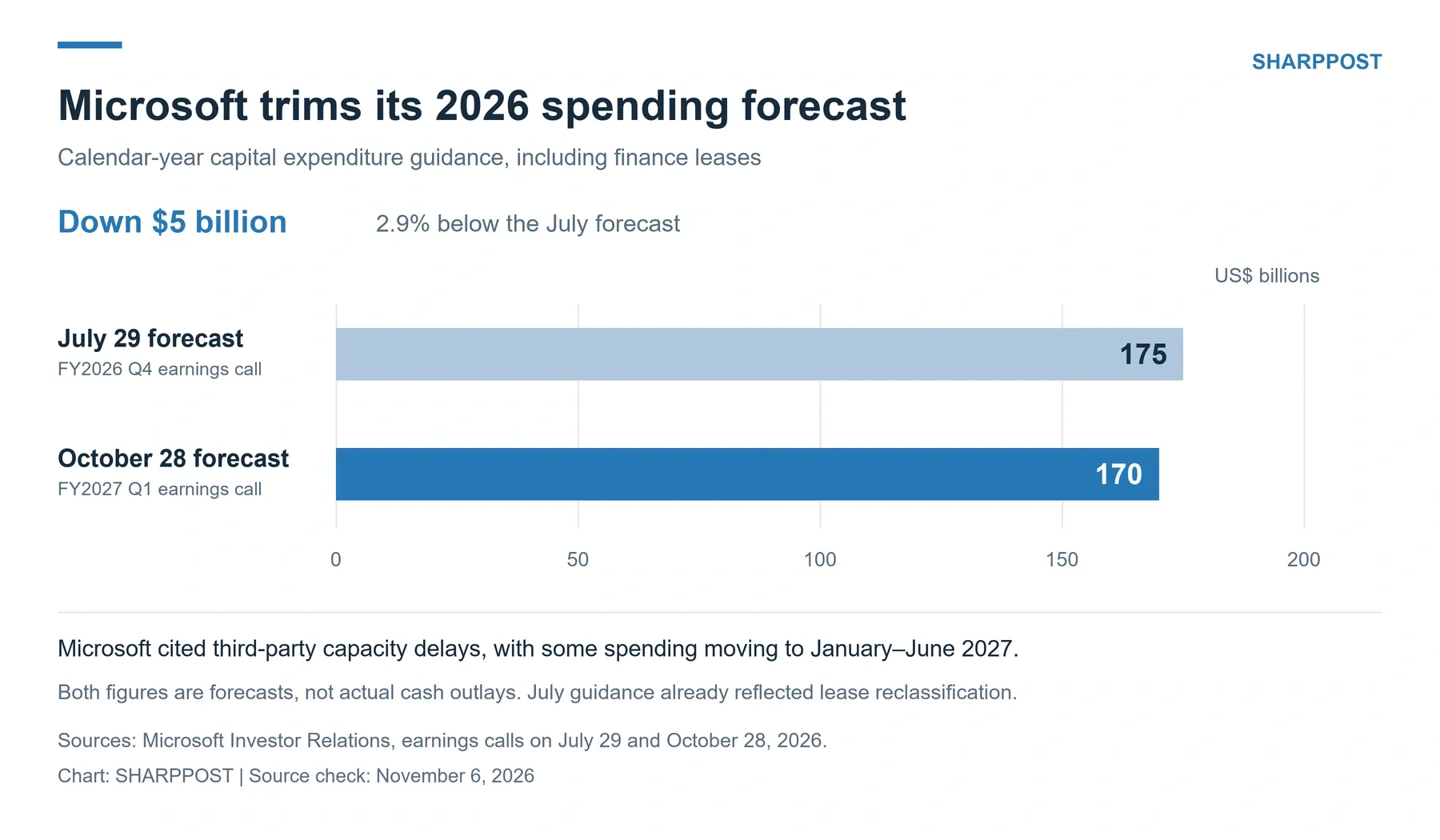
Microsoft cut its 2026 capital spending forecast by $5 billion on October 28 while saying customer demand still exceeded available computing capacity. Chief financial officer Amy Hood cited delays in capacity supplied by other companies, with some spending shifting to January–June 2027. Microsoft still expected to spend more than $50 billion in the final quarter of 2026.
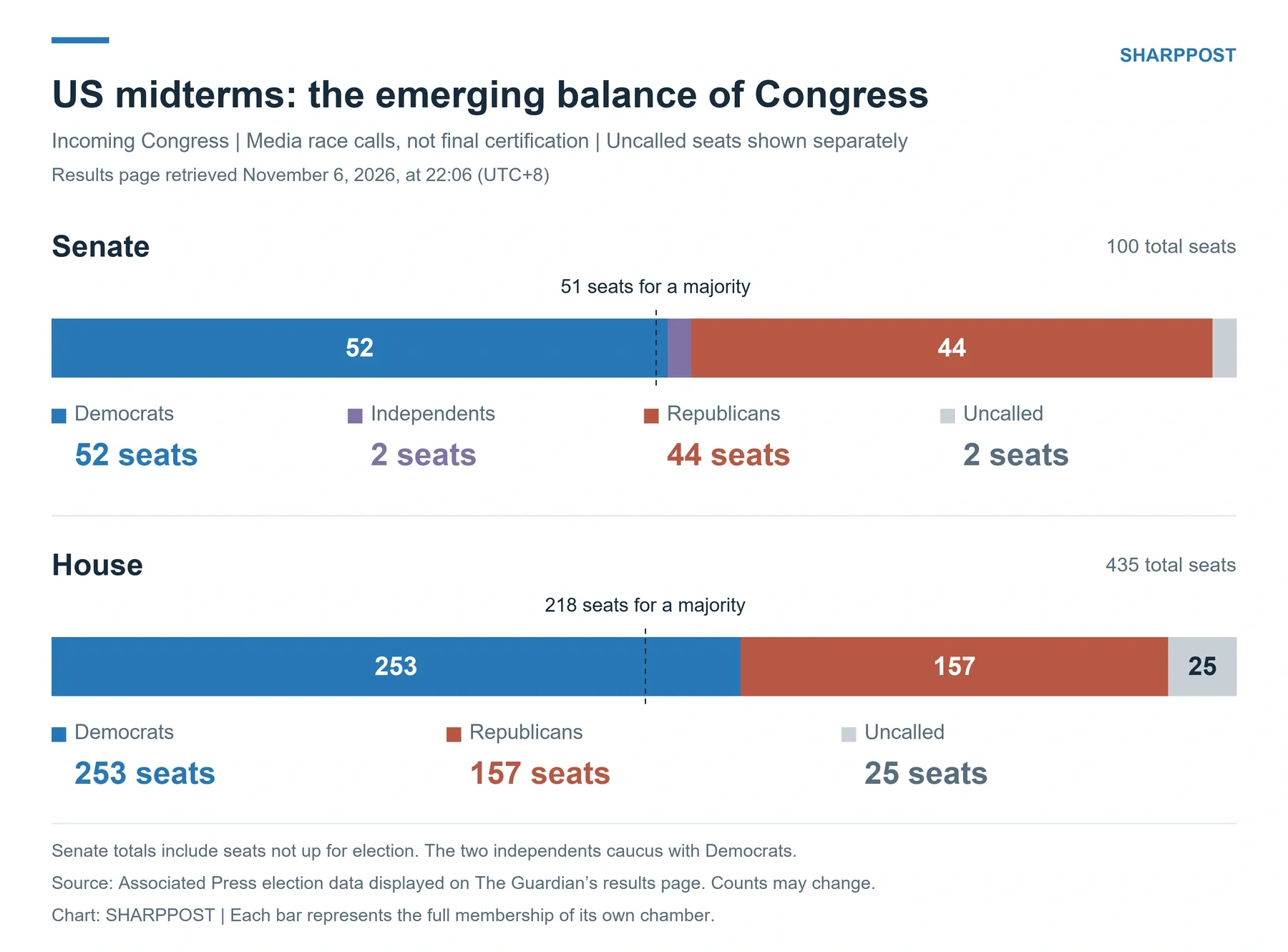
A week later, US chip stocks plunged as investors worried that tighter data-center rules would slow the AI expansion. The Philadelphia Semiconductor Index closed more than 12% lower on November 5, while Nvidia fell more than 9%. Reuters linked the selling to regulatory concerns after Democrats were projected to win both chambers of the next Congress.
Computing provider IREN’s revenue backlog grew 22% to $20.3 billion, but it pushed back its target of more than $4 billion in annualized revenue from the end of 2026 to January 2027, with a possible further delay to late February. The company cited customer-requested design changes and supplier delivery schedules in its November 5 results.
IREN calculates that annualized target using a full year of contracted GPU charges once the equipment is in service, plus storage and other services. It said contracts and financing arrangements, including customer prepayments, supported the target. Prepayments can fund construction, but service revenue depends on facilities becoming operational and supplying customers. Even with signed contracts, a provider may still incur financing and construction costs before delivery.
Amazon’s third-quarter results put free cash flow at negative $42.36 billion for the 12 months ended September 30, 2026. Cash from operations fell short of net property and equipment purchases, whose increase the company attributed primarily to AI investment.
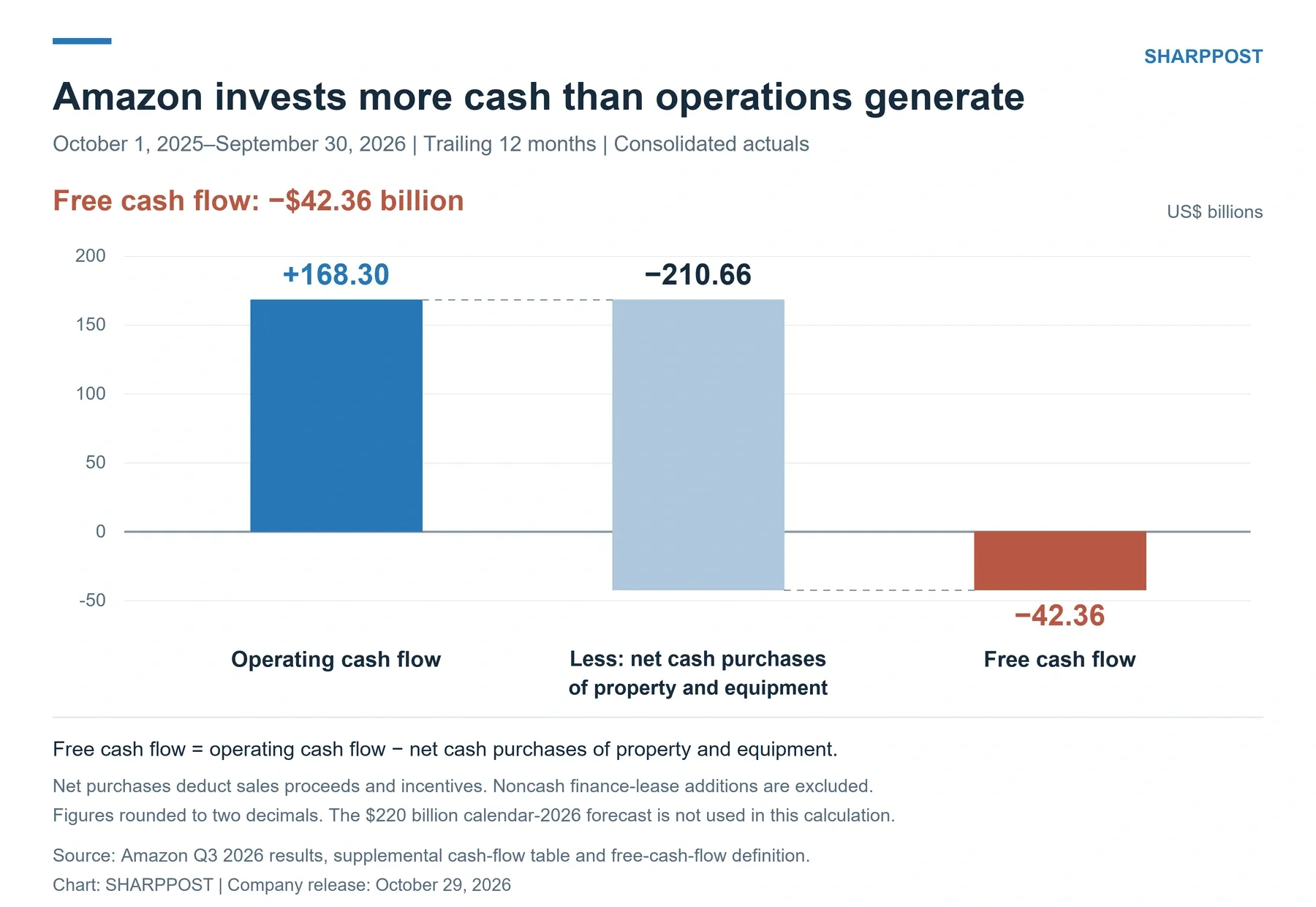
AWS revenue rose 39.3% to about $46 billion in the quarter, and Amazon maintained its forecast for about $220 billion in cash capital expenditure during 2026. Equipment purchases bring business to suppliers before Amazon recovers its investment through customers’ use of the facilities. A delayed opening or slower growth in usage could extend that payback period. The spending forecast covers Amazon’s businesses as a whole; unlike Microsoft’s measure, it excludes noncash additions under finance leases.
AMD’s third-quarter data-center revenue rose 97% to about $8.5 billion, helped by EPYC processor demand and the launch of Instinct MI450 GPUs. Arm has purchase orders for its AGI CPU extending into calendar 2027, with initial commercial deliveries planned for the fourth quarter of fiscal 2027. Those future deliveries also depend on customer sites being ready to receive and install the equipment.
In Charlotte, North Carolina, the city council voted on October 26 to extend a pause on accepting, processing and approving new telecommunications and data-storage facility applications until October 18, 2027. The extension covers the city and surrounding areas under its planning authority. Under the city’s exemptions, existing facilities can keep operating, while qualifying projects approved or fully submitted before the moratorium can proceed.
Pennsylvania’s governor signed an executive order on August 18 removing AI data centers from fast-track permitting, tightening the link between local approvals and state permits, and requiring developers to pay for new power infrastructure rather than shift the cost to other electricity users. Securing permission to build still leaves developers with that funding requirement. Higher costs can lengthen the payback period if the project does not generate more cash.
The proposed federal bill, H.R. 9442, would extend a pause nationwide to covered AI data-center construction and upgrades until Congress enacts safeguards for AI safety, workers, energy and the environment. It has not become law. The Charlotte and Pennsylvania measures were already in place before the midterms.
The Justice Department’s Super Intelligence Task Force, announced on November 5, coordinates AI enforcement. Its memorandum requires advance notification of investigations and charges when the task force requests it. It sets no limit on chip purchases or data-center construction.
A postponed chip delivery or customer acceptance can move a sale into a later quarter, reducing near-term revenue. If data-center operators also take longer to recover their investment, subsequent purchases may slow. Stocks priced for rapid sales and earnings growth can therefore face valuation pressure even while orders remain intact. A temporary delay mainly changes when revenue arrives; a cancellation removes future sales. The consequences for valuations differ.
You read this far. You're not here for noise.
SharpPost delivers one weekly deep dive on geopolitics, finance, and tech — decoded for readers who want signal. Carefully selected, never noisy.