China Bars ABB’s Local Sale; Global Talks Continue
ABB says China has blocked SoftBank’s purchase of its Chinese robotics operations. Talks on the $5.375 billion global sale continue, with no revised plan announced.

China has barred SoftBank from buying ABB’s robotics operations in the country, the Swiss industrial group said on November 5, citing information it received from the Japanese buyer. The decision came from China’s foreign investment security review office.
ABB said the companies were still working on the $5.375 billion sale of its global robotics division. Neither has announced an end to that agreement. ABB opted to sell the division to SoftBank in October 2025, abandoning an earlier plan to list it separately.
China is ABB Robotics’ largest market. More than 90% of the robots sold to Chinese customers are made locally, ABB said in a July 2025 product announcement. The company conducts research, manufacturing, sales and servicing in China. Its Shanghai factory makes robots for tasks including electronics assembly, material handling and polishing.
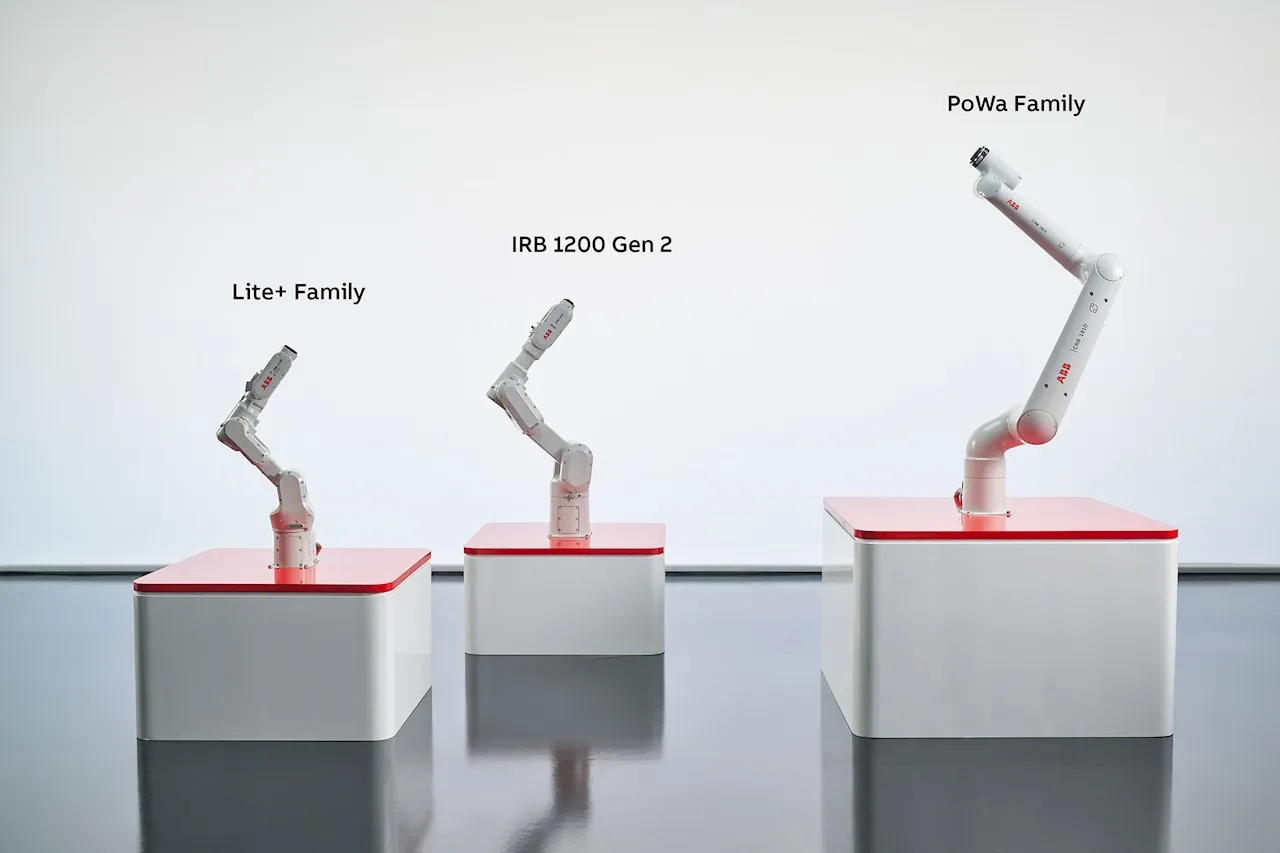
Under the agreement announced on October 8, 2025, ABB would transfer the robotics business to a new holding company, which a SoftBank subsidiary would buy outright. SoftBank said completion depended on regulatory approvals in China, the European Union and the United States, among other jurisdictions. It originally expected the deal to close in mid-to-late 2026.
SoftBank said the acquisition would give it access to ABB’s industrial technology, customers and sales network, complementing its existing robotics investments. It plans to use those resources to bring AI into robots that perform physical tasks.
China’s foreign investment security review rules apply to direct and indirect investment in the country. Buying control of a business in sectors such as major equipment manufacturing or critical technology requires prior review where national security is involved. Control includes both majority ownership and significant influence over business decisions, staffing, finances or technology. A deal between foreign companies can fall within the rules if it changes control of operations in China.
Once an investment is prohibited, the parties cannot proceed with it. The rules also provide for conditional approval if conditions can eliminate the national security risks and the investor accepts them in writing. ABB has not announced an approved alternative to the acquisition that China has blocked.
Reuters, citing the Financial Times, reported that Chinese officials were concerned about robotics data being transferred abroad to train AI models, including those developed by SoftBank-backed OpenAI. ABB did not disclose the reasons for the ban. SoftBank declined to comment to Reuters, and China’s National Development and Reform Commission did not immediately respond to the news agency’s request for comment.
ABB has demonstrated software in Shanghai that enables robots to follow spoken instructions. The system interprets the instructions and the robot’s surroundings, then translates them into actions. ABB says its robot control platform integrates AI, sensors, cloud services and computing on local devices.
A January 2026 shareholder document from ABB India described that business’s reliance on the global robotics division for patented technology, product development, supplies and branding. The Indian operation mainly handles sales, maintenance and some application engineering. Without group support, it would struggle to continue in its current form, the company said. It also warned that buyers could find the Indian operation less attractive on its own.
Leaving the Chinese operations with ABB while selling the rest to SoftBank would require the companies to arrange technology licences, supplies and customer support across the newly separated businesses. Decisions about who provides software, spare parts and maintenance would affect their running costs. Neither company has announced such a split.
ABB originally estimated that separating the robotics division would cost about $200 million. It expected about $5.3 billion in cash proceeds on completion, net of transaction costs, with taxes on the local business separations estimated separately. Changes to the scope of the sale could require new asset-transfer and payment terms.
You read this far. You're not here for noise.
SharpPost delivers one weekly deep dive on geopolitics, finance, and tech — decoded for readers who want signal. Carefully selected, never noisy.