Italy Weighs Schengen Checks as 49,000 Reach Ceuta
Spain estimates 49,000 people entered Ceuta from Morocco in 24 hours, with at least 18 deaths. Italy is considering renewed checks on travel from Spain
免费微软自然语音 · 推荐使用 Microsoft Edge
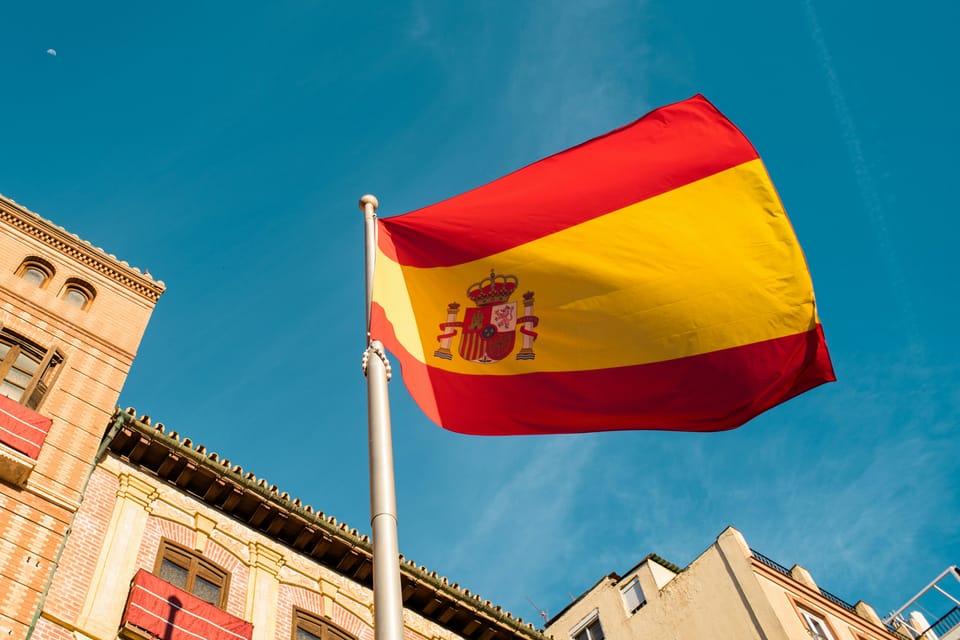
Spain estimated on July 31 that about 49,000 people had entered its North African enclave of Ceuta from Morocco in 24 hours. At least 18 people died while swimming or trying to cross a breakwater. Troops were sent to help a city whose population is about 83,000.
Arrivals began surging on July 30 along Tarajal beach, the breakwater, border fences and land crossings. Associated Press footage showed mostly young men, as well as women, children and families. Reception centres filled quickly, leaving large groups to spend the night in parks, on pavements and beside roads.
Prime Minister Pedro Sanchez and Interior Minister Fernando Grande-Marlaska travelled to Ceuta on July 31. The military was assigned to medical care, temporary shelter and logistics, while the Civil Guard and National Police remained responsible for the border and public order. Spain and Morocco said they were coordinating the return of people who do not qualify for residence or asylum.

One day eclipses the previous six months
The 49,000 figure is an initial security-service estimate based on activity at crossings, along the coast and in Ceuta's streets. Spain's Interior Ministry has yet to issue a final count. Reports during the first hours of the crisis ranged from more than 40,000 to nearly 50,000.
Interior Ministry figures through July 15 recorded 14,479 irregular entries into Spain this year, including 2,826 in Ceuta. If the new estimate is confirmed, the 24-hour total would be 17 times Ceuta's tally for the first six and a half months of 2026, and more than three times Spain's national total over the same period.
About 10,000 people entered Ceuta over two days in May 2021, then the enclave's biggest border emergency. Spanish intelligence later linked Morocco's relaxation of controls to Madrid's decision to provide medical treatment to Brahim Ghali, leader of the Western Sahara independence movement. Relations improved after Spain backed Morocco's autonomy plan for the disputed territory.
Why the frontier gave way remains unclear
Ceuta had already recorded several days of attempted crossings by swimmers. On July 8, Spain's Supreme Court ruled that people who had bypassed the maritime barrier could not be immediately returned under the practice known as a “hot return.” The Interior Ministry said smuggling networks had exploited the decision. Police sources quoted by Spanish media said one court ruling could not explain tens of thousands of people reaching the frontier at once.
Morocco has not explained how such a large crowd was able to approach the coast and border fences. Spain says Moroccan authorities are cooperating, while Rabat says its forces stopped thousands of other attempts. Madrid has not accused Morocco of deliberately easing controls, though the precedent set in 2021 has renewed scrutiny of the relationship.
Spain's large-scale migrant regularisation programme, launched in April, was cited by Spanish opposition parties and Italy. The scheme, however, requires applicants to have lived in Spain for at least five months before the end of 2025 and to pass identity and criminal-record checks. People entering Ceuta on or after July 30 do not meet that cut-off, and no evidence has established that the programme caused the mass crossing.

Italy raises checks on travel from Spain
Italian Prime Minister Giorgia Meloni said Rome was considering “extraordinary measures,” including suspending free movement under Schengen arrangements with Spain. Foreign Minister Antonio Tajani then backed the restoration of checks. Spain summoned the Italian ambassador, accusing Rome of conflating the Ceuta emergency with Madrid's regularisation policy.
Italy cannot unilaterally remove Spain from the Schengen area. Under the Schengen Borders Code, a member state may temporarily restore internal border controls when it identifies a serious threat to public order or internal security. The measure must be necessary, proportionate and notified to the European Commission and other member states.
Italy and Spain share no land border, so any Italian action would most likely affect air and sea travel between the two countries. Ceuta and Melilla already operate under special border arrangements, with document checks required for travel from the enclaves to mainland Spain. Italy's proposal would therefore not alter the Ceuta frontier itself, nor would it amount to Spain's expulsion from Schengen.
Spain was still counting arrivals, deaths and unaccompanied children at the time of publication. The Interior Ministry's final report will determine whether the 49,000 estimate stands as the largest one-day irregular entry recorded in Spain or is revised after the initial disorder.
Sources: Spain's Interior Ministry irregular migration reports, the Associated Press report from Ceuta, El Pais, Cadena SER and the European Commission's rules on temporary internal border controls. Arrival and death figures remain provisional; this report uses data available from the Spanish government and major news agencies on July 31.
You read this far. You're not here for noise.
SharpPost delivers one weekly deep dive on geopolitics, finance, and tech — decoded for readers who want signal. Carefully selected, never noisy.