US Seeks Gyirong Border Records; China Says Registers May Have Been Destroyed
The US seeks entry and exit records from Gyirong Port. China says registers may have been destroyed, but has not explained the status of electronic data.

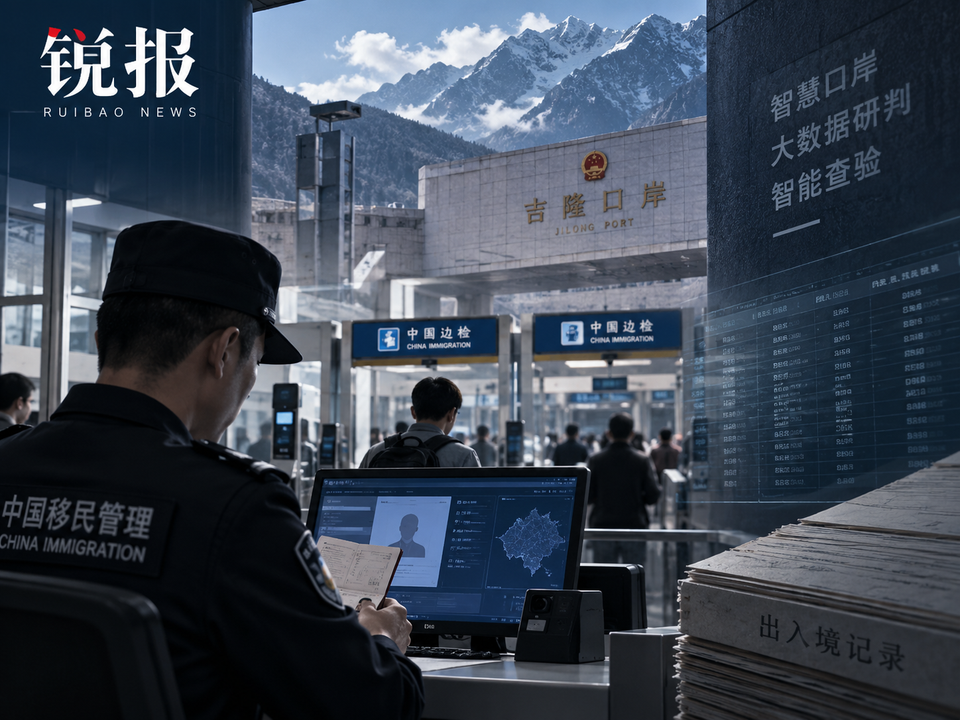
A mudslide triggered by a rock-and-ice collapse struck Gyirong Port on the China-Nepal border on Aug. 26. Roads, communications and power were cut, and much of the border facility was destroyed. Chinese authorities said as of noon Sept. 2 that 21 people had died and 541 remained missing, including foreign nationals from 23 countries.
On the ninth day of the search, the US Embassy in China issued a disaster update saying it had asked Chinese authorities about rescue progress and plans to identify foreign nationals. It said it was “continuing to request” more detailed entry and exit records from Gyirong Port and would share verified information with affected families.
The state-run Global Times responded that evening, calling the request for border records unreasonable and even obstructive. The commentary said the mudslide had destroyed infrastructure and personnel registers, and that some records might already be missing. It accused the embassy of using public pressure to create an impression that China was withholding information.

A June 23 Xinhua report said border officers at Gyirong used “big data” to assess peaks and troughs in passenger traffic and that the port had upgraded intelligent inspection equipment. Using 11:58 a.m. that day as its cutoff, the report said the port had processed more than 100,000 border crossings in 2026 and described the equipment as part of a “smart port” program.
The National Immigration Administration’s online platform has allowed people to retrieve their own entry and exit histories since 2019. After identity and facial verification, users can search the past 10 years or their complete record and download a digitally signed file. The agency says these electronic files have the same validity as paper records stamped by immigration authorities or border inspection stations. That personal service does not give a foreign embassy direct access to bulk passenger data, nor does it prove that all of Gyirong’s Aug. 26 records had been backed up off-site.
The BBC cited electronic records from Nepal’s immigration authorities showing that 89 people completed departure procedures for Tibet that morning, while four registered their arrival in Nepal. The system logged its final transaction at 8:35:03 a.m. local time, less than 10 minutes before surveillance video on the Chinese side showed the torrent arriving.
The 89 included 32 Indian, 12 Chinese and nine American citizens. They had cleared Nepal’s exit control, but it remains unclear whether they completed entry procedures on the Chinese side. Gyirong’s records could therefore be central to identifying who died, who is missing and who crossed the border before the disaster.
Chinese updates available through Sept. 4 have focused on reopening roads, rescue work and support for families. The National Immigration Administration has not publicly described the condition of Gyirong’s electronic records or how much data can be recovered. Whether the requested records exist, which system holds them and whether they can be provided through diplomatic channels remain unanswered.
You read this far. You're not here for noise.
SharpPost delivers one weekly deep dive on geopolitics, finance, and tech — decoded for readers who want signal. Carefully selected, never noisy.