European Commission confirms AI-generated cyber campaign, says no staff-wide data breach found
The European Commission confirmed on Nov. 19 that it had been hit by an AI-generated cyber campaign, first detected on Oct. 22. Several applications were taken offline as a precaution and most have been restored. Officials say there is no evidence so far of a data breach affecting staff as a whole.

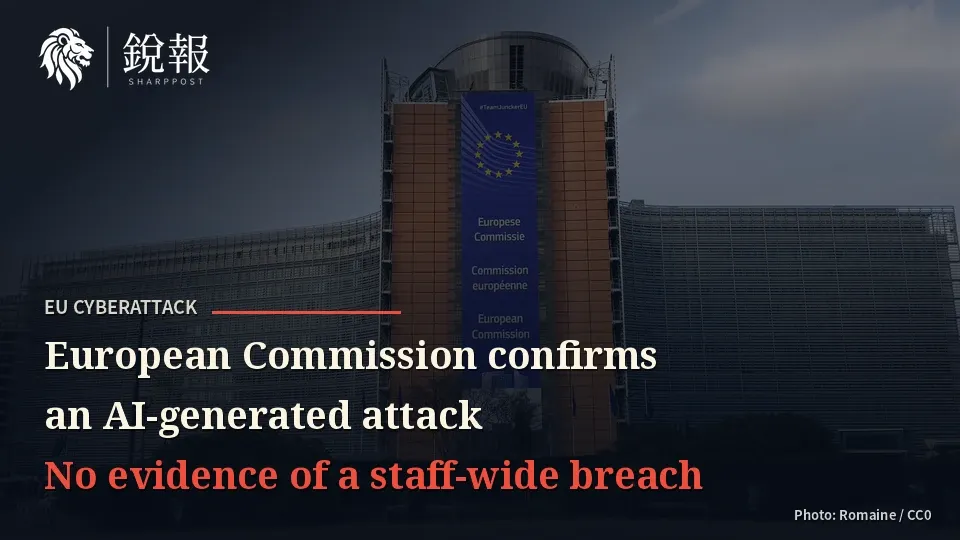

European Commission spokesperson Thomas Regnier confirmed on Nov. 19, at the Commission's midday briefing in Brussels, that the institution had been hit by an "AI-generated cyber campaign." Politico Europe had published an exclusive report on the incident earlier the same day.
Regnier said the incident was detected on Oct. 22 and confirmed on Oct. 26 after an initial investigation. As a precaution, the Commission temporarily took several applications offline, and most have since been restored. The investigation is continuing, he said, and at this stage the Commission has not detected any evidence of a data breach affecting its staff as a whole. He said he was not aware of any ransom demand and declined to say who was responsible. An EU official, granted anonymity by Politico because of the sensitivity of the matter, said investigators were still trying to establish whether staff data had been compromised.
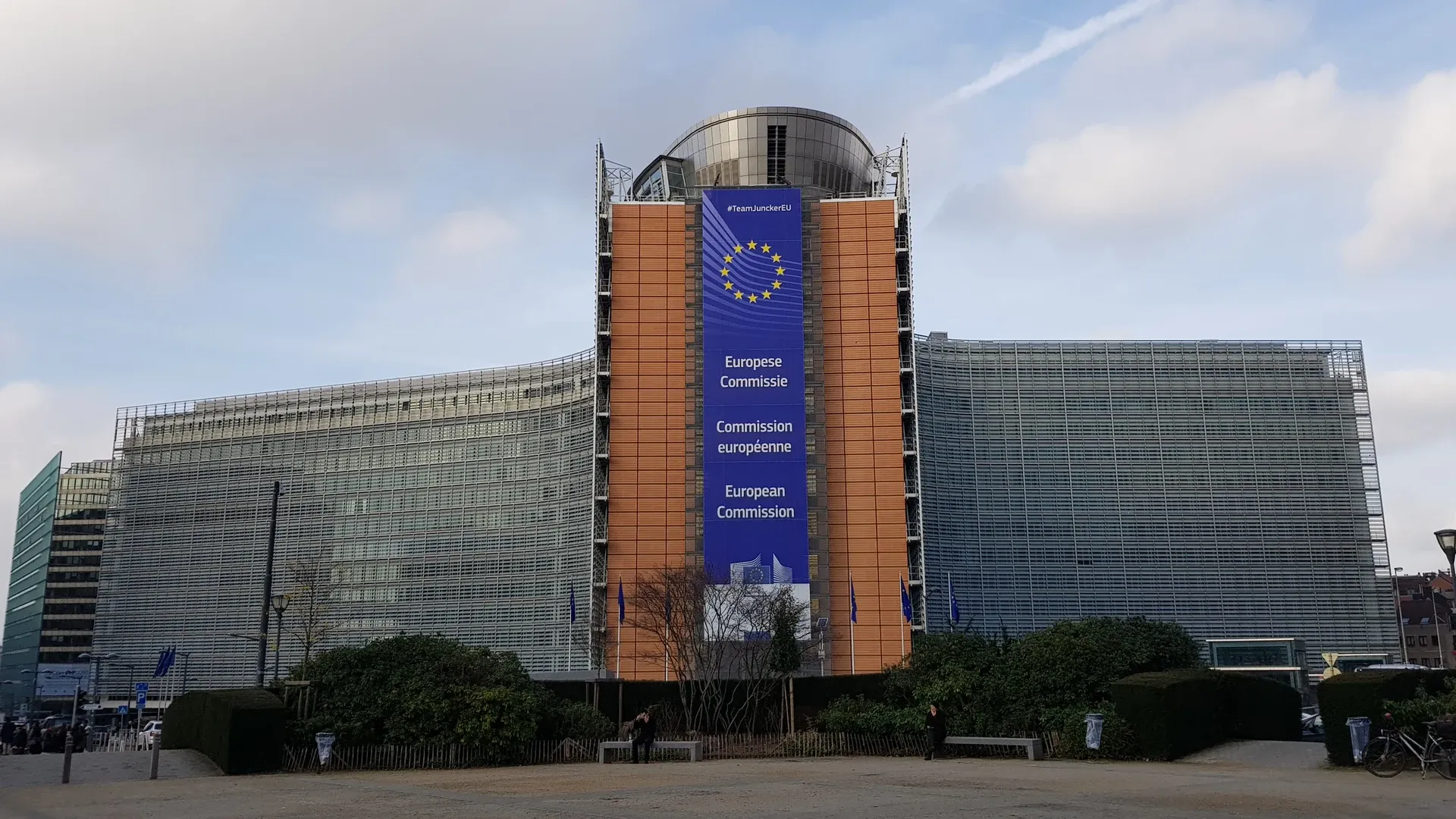
At 1:26 p.m. Singapore time on Nov. 19, Politico Europe wrote in its Brussels Playbook that the disruption had lasted more than 10 days. It said Sysper, the Commission's HR platform for payslips, leave requests and timesheets, and MyPMO, its medical reimbursement system, were restored earlier in the week, though Sysper briefly went down again on Nov. 18; translation services were also affected on Nov. 17. Salaries arrived as usual, the newsletter said, but some staff could not submit timesheets or request leave. According to a leaked internal email seen by Politico, the Commission earlier this month convened its highest-level internal crisis-management body, the Corporate Management Board, for an urgent meeting over these "ongoing cyber incidents," and the digital services department ordered stepped-up security checks. Two officials said tech commissioner Henna Virkkunen briefed her counterparts at the College of Commissioners meeting on Nov. 18. Euronews, citing two EU officials who were not named, said Sysper was working again on Nov. 19 but that the Joint Sickness Insurance Scheme, the health insurance system known as JSIS, remained unavailable.
On how the attack was carried out, the same anonymous official said CERT-EU, the cybersecurity service for EU institutions, had detected that the attackers used ARTEX, a publicly available artificial-intelligence tool. At the briefing, Regnier confirmed only that a "publicly available" AI tool had been misused, and did not name it. He told Politico that individual systems were targeted and that, in line with the Commission's standard practice, those concerned had been informed. He also said at the briefing that the European Data Protection Supervisor had been notified.
ARTEX is an open-source, AI-powered penetration testing framework. In a blog post published at 5:05 a.m. Singapore time on Nov. 6, CERT-EU said it had in recent weeks observed several actors around the world using the tool to automate attacks, and that similar AI-driven activity against its constituency had "highly likely involved the use of ARTEX." The post did not name the Commission. An FBI flash alert on Nov. 13 said the framework was released in July and has been used since at least August against government agencies and other sectors; the original developer took the code repository down on Oct. 8, but copies and forks remain in circulation. SharpPost reported in October that the developer stopped publicly maintaining the tool after it was linked to attacks on South Korean financial institutions.
The Commission had already disclosed two other cyber incidents this year. On Jan. 30, its central infrastructure for managing mobile devices detected traces of a cyberattack that may have exposed the names and mobile numbers of some staff members; the Commission said the system was cleaned within nine hours and that no compromise of the devices themselves was found. In March, cloud infrastructure hosting the Commission's europa.eu websites was breached and about 91.7 GB of compressed data was taken; the Commission said at the time that its internal systems were not affected. The Record reported that this was the Commission's third disclosed cyber incident of the year, and that officials had not linked the incidents.
Regnier said the investigation is still ongoing and that the Commission would take any necessary steps based on its findings.
You read this far. You're not here for noise.
SharpPost delivers one weekly deep dive on geopolitics, finance, and tech — decoded for readers who want signal. Carefully selected, never noisy.