Meta unveils $1,299.99 VR glasses for films and work
Meta’s VR glasses launch in spring 2027 at $1,299.99. The 100-gram eyewear uses a tethered module for power and processing, targeting films, sport and work.

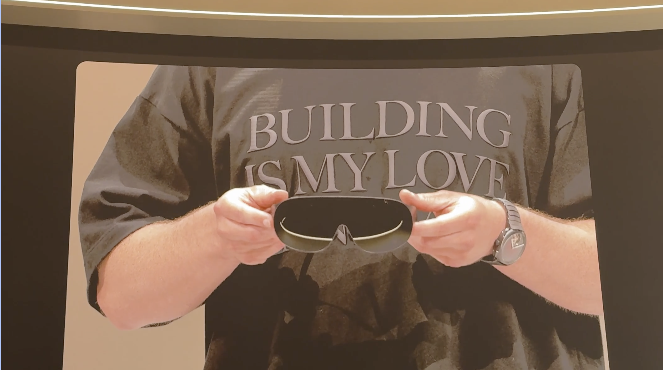
Meta has unveiled VR glasses priced at US$1,299.99, betting that a lighter design and a focus on films, live sport and work will bring virtual reality to more than just gamers. Announced on 23 September, Meta VR Glasses are due to go on sale in spring 2027.
The glasses weigh about 100 grams, but that is only the part worn on the face. A separate, tethered module houses the processor, battery and storage and can clip to a pocket or bag. Meta says the device can play high-resolution media for up to three hours on a charge.

A portable screen for films and work
The device uses micro-OLED displays and pancake lenses, with eye tracking, hand gestures and voice controls. It can display several virtual screens and turn a flat surface into a keyboard and trackpad. Cameras provide a colour view of the surroundings; users do not look directly through the lenses as they would with ordinary glasses.
Meta plans to offer 3D films from services including Disney+, alongside immersive live sport. Compared with the gaming-led pitch of its Quest headsets, the launch put greater emphasis on entertainment and work, targeting people willing to pay a premium for a portable, private display.
The external module runs on Qualcomm’s Snapdragon Reality Elite. Introduced in June, the chip supports on-device AI and spatial sensing in both all-in-one headsets and lightweight tethered glasses. Qualcomm also named XREAL’s Project Aura among its partner devices, underscoring that Meta is not alone in pursuing a smaller headset with offloaded computing.

A narrower view than Quest 3
In a hands-on report from the launch, Road to VR’s Scott Hayden praised the colour passthrough but reported a horizontal field of view of about 70 degrees, compared with 110 degrees on Quest 3. The clarity may appeal to people watching films or reading virtual screens, while the narrower view is a compromise for players seeking a more enveloping experience.
Fit also mattered. Hayden said the smaller version squeezed the sides of his head and slipped down his nose; the larger version was comfortable. His roughly half-hour session, however, was too short to assess comfort over extended use.
Gaming remains part of the offering. According to the report, the glasses work with the Touch Plus controllers used by Quest 3 and 3S, although controllers are not included. The demonstration featured a new hand-tracked version of Beat Saber.
The price and tethered module still make this a more involved purchase than a pair of everyday glasses. By the time it reaches shops next spring, Meta will need to show that films and work can give buyers reasons to wear it more often than they would a gaming headset.
You read this far. You're not here for noise.
SharpPost delivers one weekly deep dive on geopolitics, finance, and tech — decoded for readers who want signal. Carefully selected, never noisy.